Bandhvagarh: More than Just a National Park
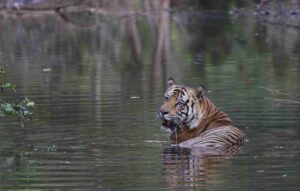
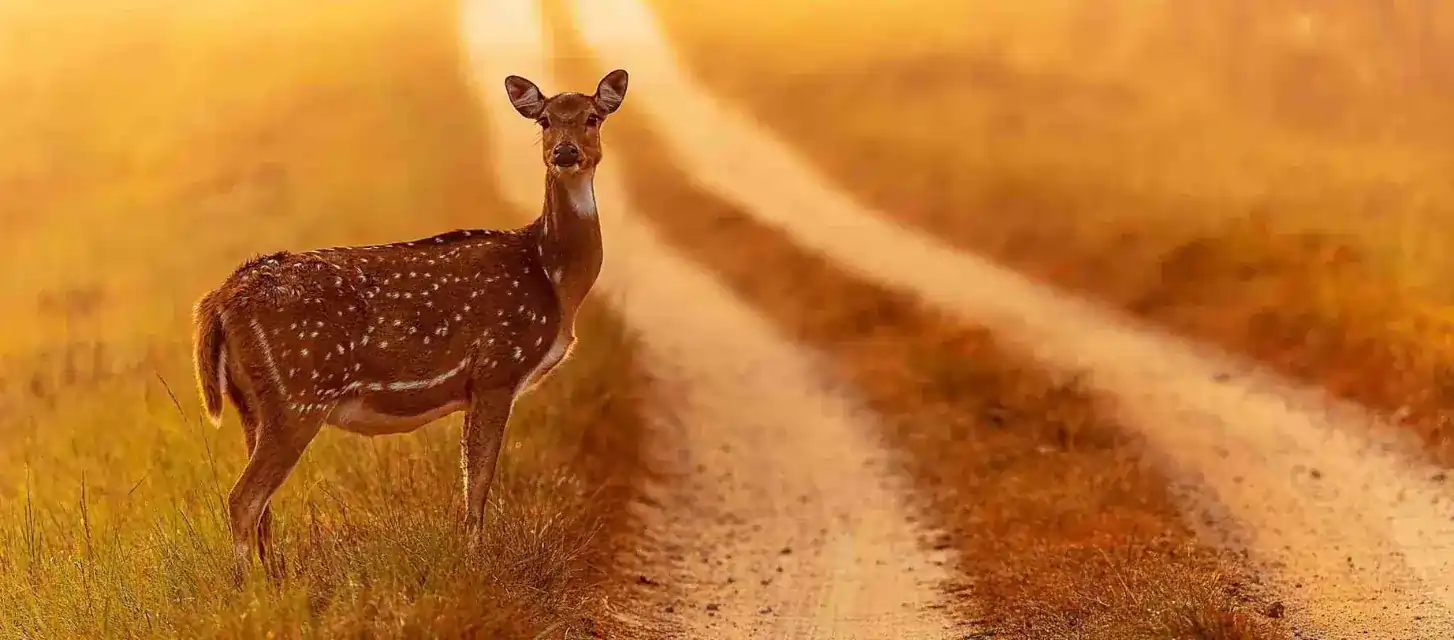
Situated in Umaria district of Madhya Pradesh, the national park has over 165 Royal Bengal Tigers. Along with tigers, Bandhavgarh National Park is home to leopards, sloth bears, spotted deer, sambhar, Indian gaur, jackals, langur, or macaques.

Bandhavgarh is spread over thirty-two hills and expansive grasslands with flourishing vegetation.
History of Bandhavgarh
Mythology
Once the Shikhargarh (game reserve) of Maharajas of Rewa, this vast reserve of tigers holds a significant place in Hindu mythology. However, what is contrary is how the National Park came to inception. The story of how once a haven for tiger hunters became the protector of the same animal, shows how a human heart needs a disaster to change the course of his life.
Legend has it that Bandhavgarh fort was built by Lord Rama and was gifted to his brother Lakshman to keep a watch on Lanka. Hence the name Bandhavgarh came in existence, literally translating to ‘brother’s fort’.
Medieval History
Modern History
After independence, Bandhavgarh came under the jurisdiction of the Madhya Pradesh government but the Maharajas retained their hunting rights till 1968. However, some folklores have a different story to tell. It is believed that once the Maharaja was out for hunt and falsely killed a pregnant tigress, since then the maharaja had a change of heart and vowed not to kill any tiger. And at last in 1968, Bandhavgarh was notified as a national park and in 1993 was declared a tiger reserve- under Project Tiger.
Demography
Baigas

Gonds

Economy

In short, Bandhavgarh has it all, the history, unique folklore of valor, a tale of the white tiger and what not. However, many more secrets are yet to be revealed. So stay tuned and watch out for more stuff like this on our page.

Mousam Kourav is a Wildlife & Sustainability Writer at Pugdundee Safaris, with a keen interest in wildlife, conservation, and responsible tourism. Through his writing, he explores India’s wild landscapes, diverse ecosystems, and the delicate relationship between people and nature. His work aims to inspire meaningful travel while creating greater awareness about wildlife conservation and sustainable practices.